Fire Risk Assessments (FRAs)

Every premises needs a Fire Risk Assessment, but paperwork alone won’t protect people in an emergency. Our assessments are practical, clear, and cover day-to-day operations, giving you compliance and a routine that works when it matters.

Talk to one of our specialists today

Booking a quick (and free) consultation is the quickest way to see how ESB can help.

Thank you! We will be in touch shortly.
Oops! Something went wrong while submitting the form, please try again.

Fire risk assessments you can run with when the alarm sounds

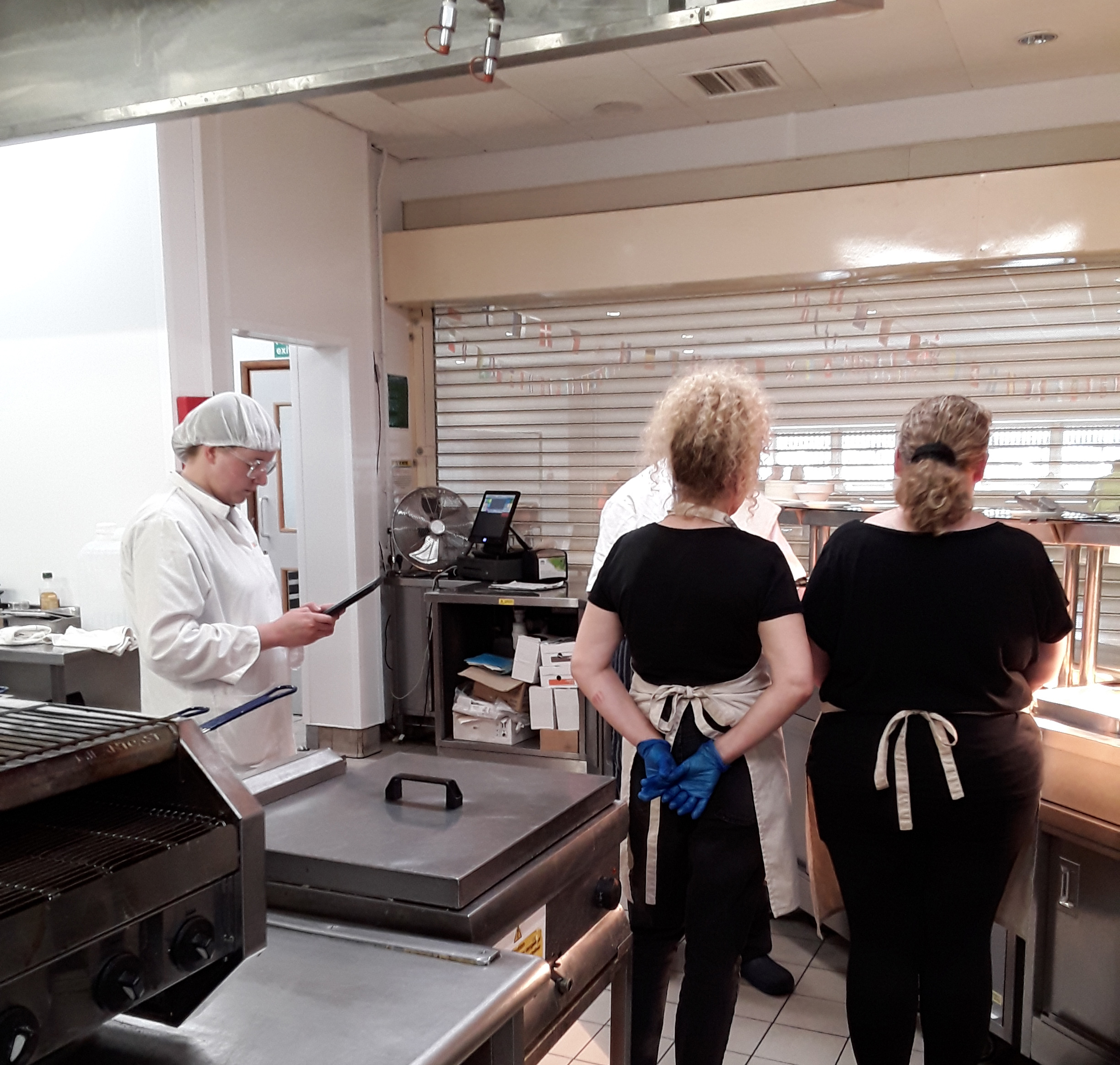
Our team walks the routes as they’re used in real life, checking doors, stairs, kitchens, plant rooms and stock areas. It sets out clear evacuation roles and includes proportionate weekly and monthly checks your team can keep up.

Fire Risk Assessment

To assess fire safety risks across your premises in line with legal requirements, including means of escape, fire detection, emergency procedures and evacuation arrangements. Reports prioritise actions based on risk and practicality.
ENQUIRE

Fire Door Surveys

To assess the condition and compliance of fire doorsets, identifying defects, non-conformances and remedial priorities. Surveys provide clear evidence and risk-based actions to support repair planning and compliance.
ENQUIRE

Fire Planning & Management

To support effective fire safety management through review of emergency plans, evacuation procedures, testing regimes and staff roles. Ensures fire arrangements work in practice and are understood across all shifts.
ENQUIRE

Fire Compartmentation Surveys

To inspect fire-resisting walls, floors and service penetrations to identify breaches that could allow fire or smoke spread. Findings are risk-rated with clear remedial actions to restore compartment integrity.
ENQUIRE
Myles Woodwards
Baxter Storey, Operations Manager

"The auditor was engaging and energetic and my teams got huge value from her audits, well beyond just checking off the audit criteria.

They have been left more aware of best practice for their locations and are now energised about raising their safety standards even further!"

Generator London, Hotel Manager

"I am writing to express my sincere appreciation for the outstanding audit experience we just had.

Your auditor's professionalism, patience, and exceptional coaching skills truly made a significant impact on our team and the overall audit process."

What we cover

Building, people and ignition sources

First, the layout. Routes are walked at the pace of real life, checking doors, stairs and the places crowds hesitate. Plant rooms, kitchens, laundries, stockrooms and bin stores are reviewed with fuel and heat in mind. Detection and alarms are checked against how the space is used, with a look at emergency lighting and the position of call points on the way out.

Storage of cardboard, oils, gas and chemicals is assessed along with how often that stock moves. Small works, hot work and isolations sit under the microscope so routine jobs do not create new risks. Records are sampled across days and nights to make sure the system holds when the roster changes.
Evacuation and roles

Who does what when it matters

A plan only works if people already know it. Signage is tested at eye level, not just on a drawing. Call points must be obvious, and doors on the escape path need to open and close cleanly every time.

Teams get clear roles: who starts the sweep, who leads guests, who waits with the roll at the assembly point. Where residents, patients or guests need assistance, personal plans are written in plain language and matched to the staffing you have after midnight, not just at noon.
Discuss your fire risk assessment
Helen Davies
Searcys and WSH Restaurants,
Head of Safety

"Very impressed with your approach, the team really enjoyed your audits and feel very supported by you - in particular, the 'show me/tell me' approach that you use during audits to engage with the teams on site."

Neil Fuller
Caterlink, Managing Director

"The team found it enlightening and I'm sure it will be beneficial to remind them of the importance of our number one KPI - Health & Safety."
Records and routine

Checks that fit a real rota

Weekly alarm tests are sized to a handover. Monthly lighting checks are reduced to a quick pass-fail with a place for short notes. A simple schedule goes on the wall so nothing is missed and no one has to guess the next step. If you use a digital system, those checks are loaded so evidence is always in one place.

Make inspections predictable

Independent audits, FRAs, policy and training from a team that includes former EHOs, shaped for busy hospitality
Insurer-friendly reports
Portfolio visibility
Fast, usable actions
Sector fit

Hotels, care, venues, retail, offices

Hotels need one joined-up story from kitchen to housekeeping to night team. Care settings balance safe evacuation with patient dignity and oxygen storage. Venues and stadia plan for crowd flow and concession layouts on event days.

Retail builds around delivery peaks and customer routes through stockrooms. Offices often involve shared duties with a landlord or other tenants. The assessment reflects those realities so actions land with the right people.
Discuss your fire risk assessment
What you take away

Survey, photos, clear actions

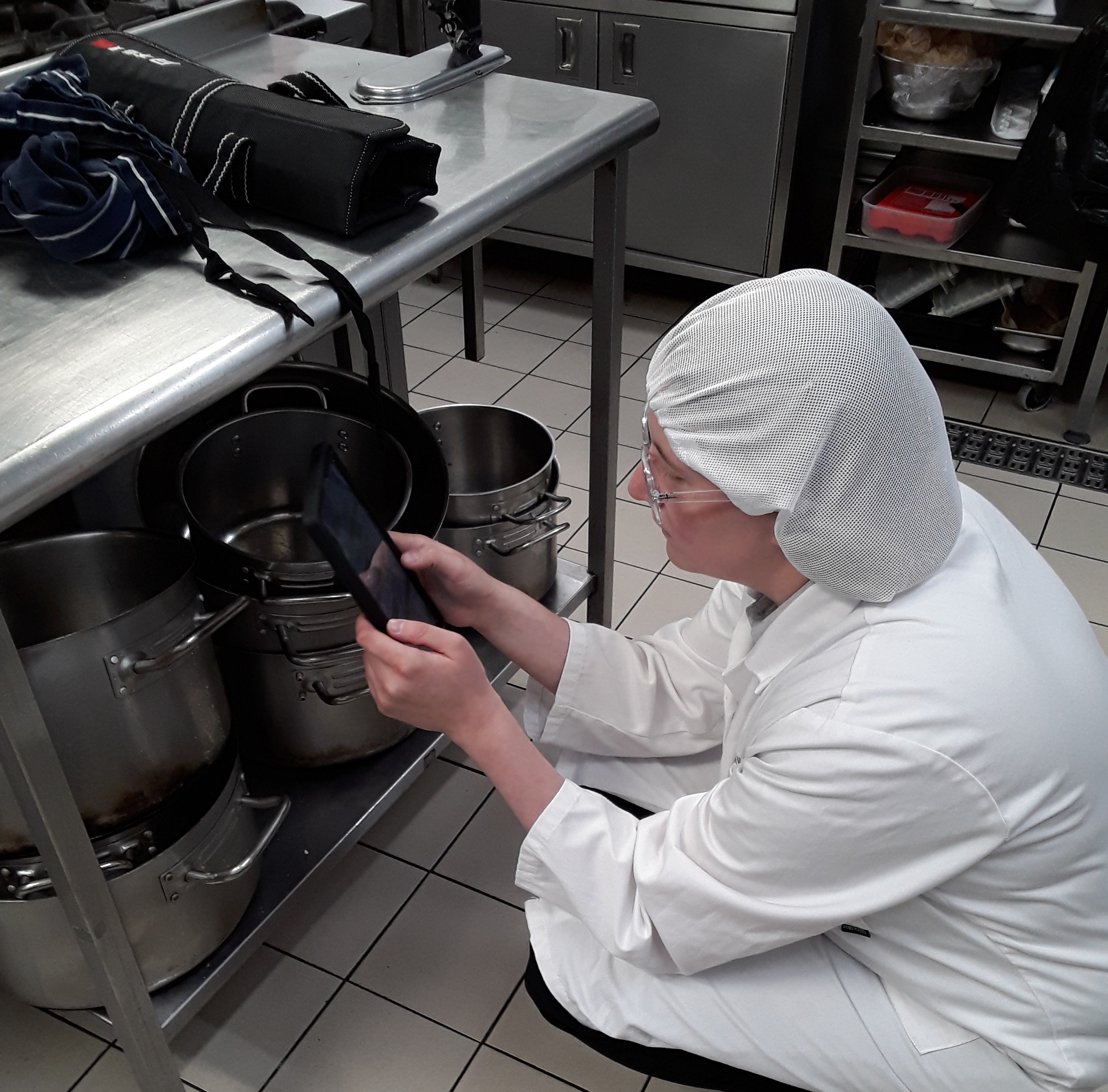
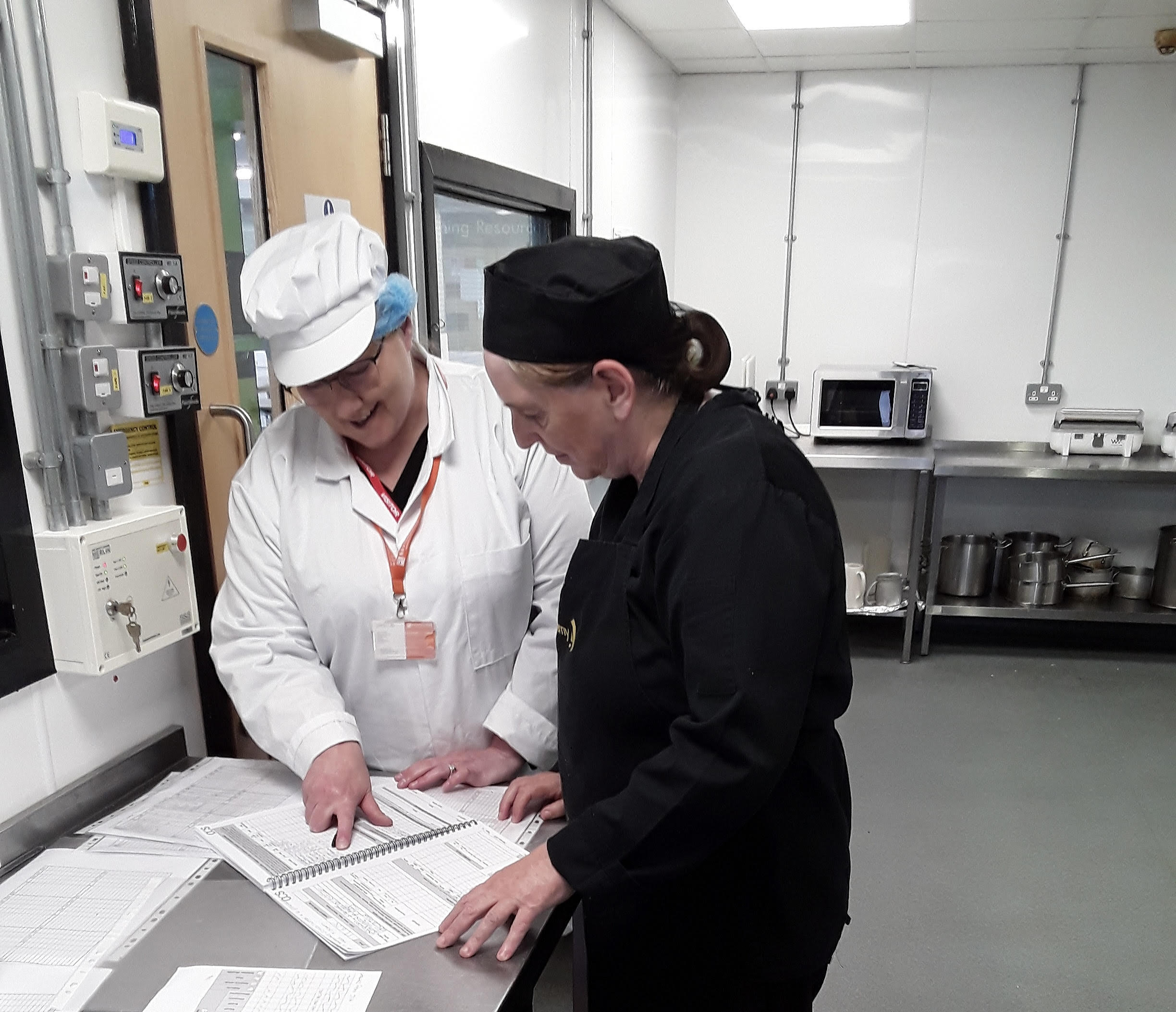
A competent assessor walks the site, captures photo evidence and writes actions in plain English. Fixes are ranked by risk and effort so early wins happen while larger works are planned. Before leaving, the top priorities are talked through with realistic timelines and named owners.
A legally compliant FRA report suitable for insurers and regulators
A list of recommended controls with cost‑effective options
Guidance on evacuation planning and staff training
Support with updating fire policies and integrating them with other emergency plans
Expect a full report with photos, a prioritised action plan and a simple schedule for weekly and monthly checks. Evacuation scripts and a one-page briefing make it easy to coach day teams and night teams. Follow-up visits can confirm closures and observe a drill until the routine feels natural.
Results

Confidence and compliance

Leaders understand the risks. Teams know the drill. Inspections are straightforward because the evidence is tidy and current. Most importantly, people move with confidence if the alarm goes.
Discuss your fire risk assessment